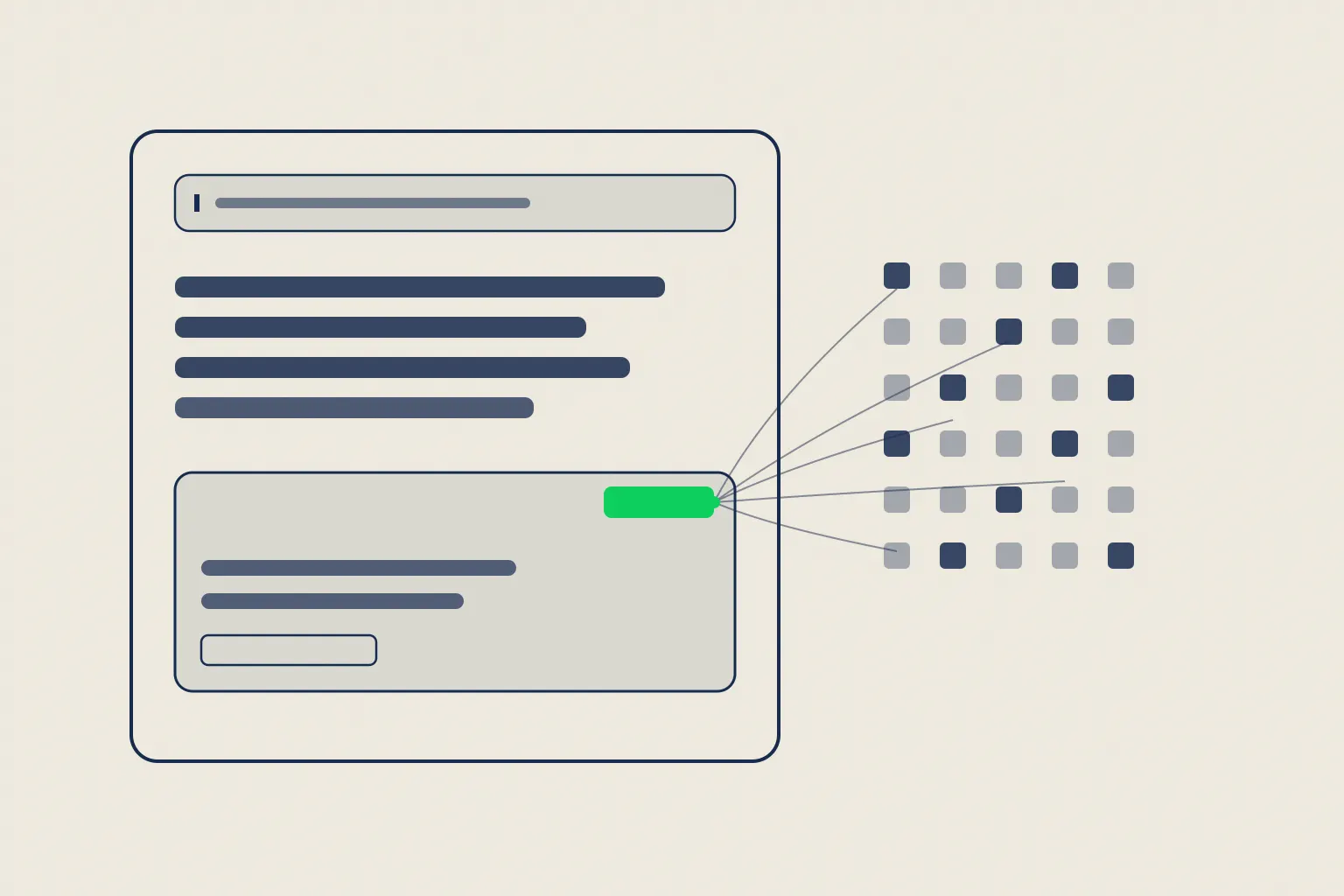
The self-serve Ads Manager OpenAI opened on July 22 turns the ad business from a pilot into a platform: an advertiser can now build campaigns, set budgets and track performance in real time, the layout echoes Google Ads, and per eMarketer the pilot’s $200k entry barrier has fallen to $50k. Best Buy, Lowe’s and VistaPrint are running the first campaigns. Ads surface as labeled sponsored blocks below responses, only for adult Free and Go users; the paying Plus, Pro and Business tiers stay ad-free.
The point worth underlining isn’t the format but the signal: targeting runs on conversational context, not keywords — intent is read not from a search query but from what the user is actually talking about in the moment. OpenAI says ads don’t influence answers; the transparency and labeling debates (the board’s AI ad-label card) will sit precisely on that distinction. The direction promised by the board’s OpenAI Cannes and ChatGPT audience-targeting cards becomes concrete here: the search box’s auction economy is moving into the chat window, and OpenAI measures it against its own target of $2.5 billion by end of 2026 and $100 billion by 2030.