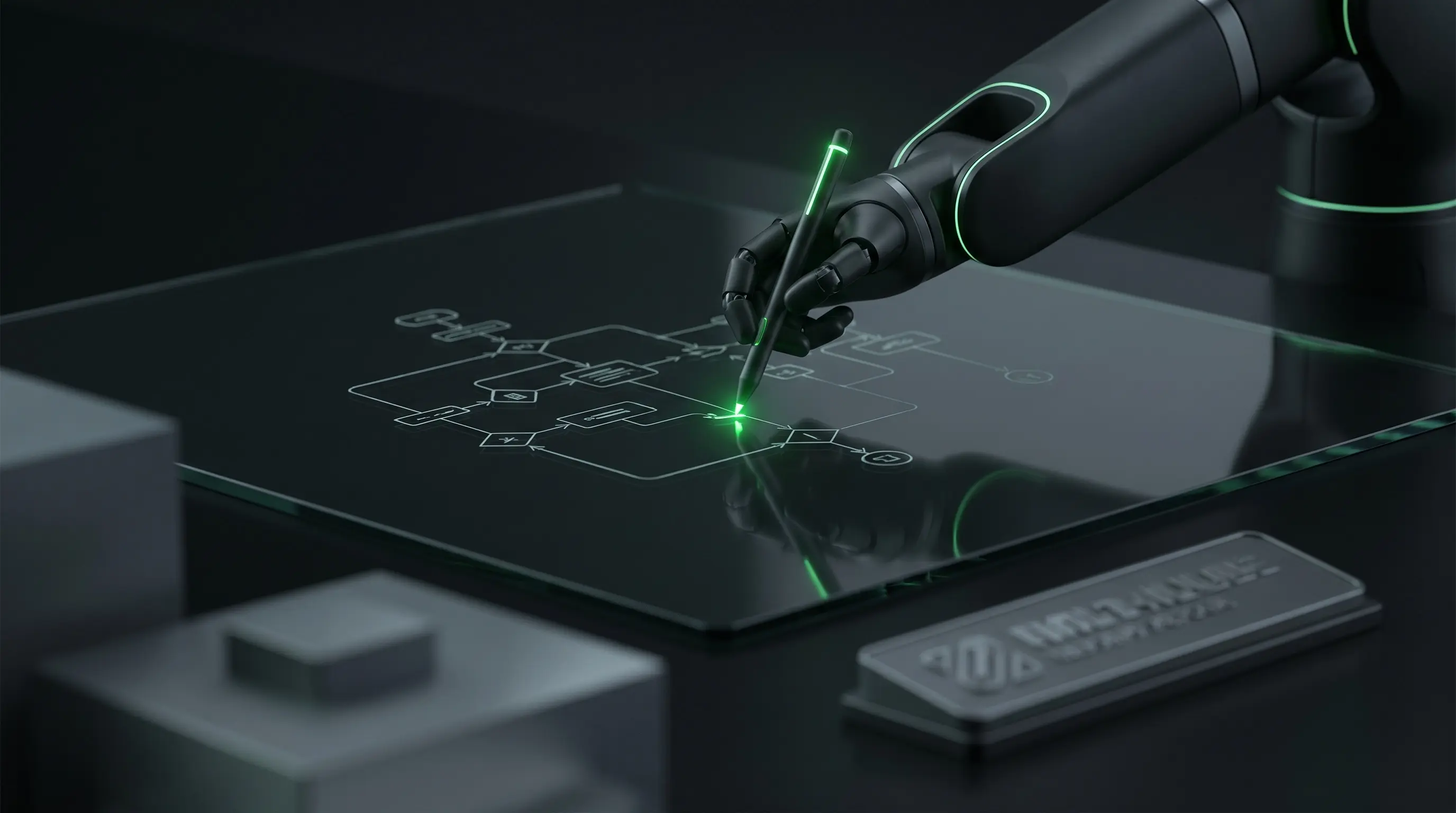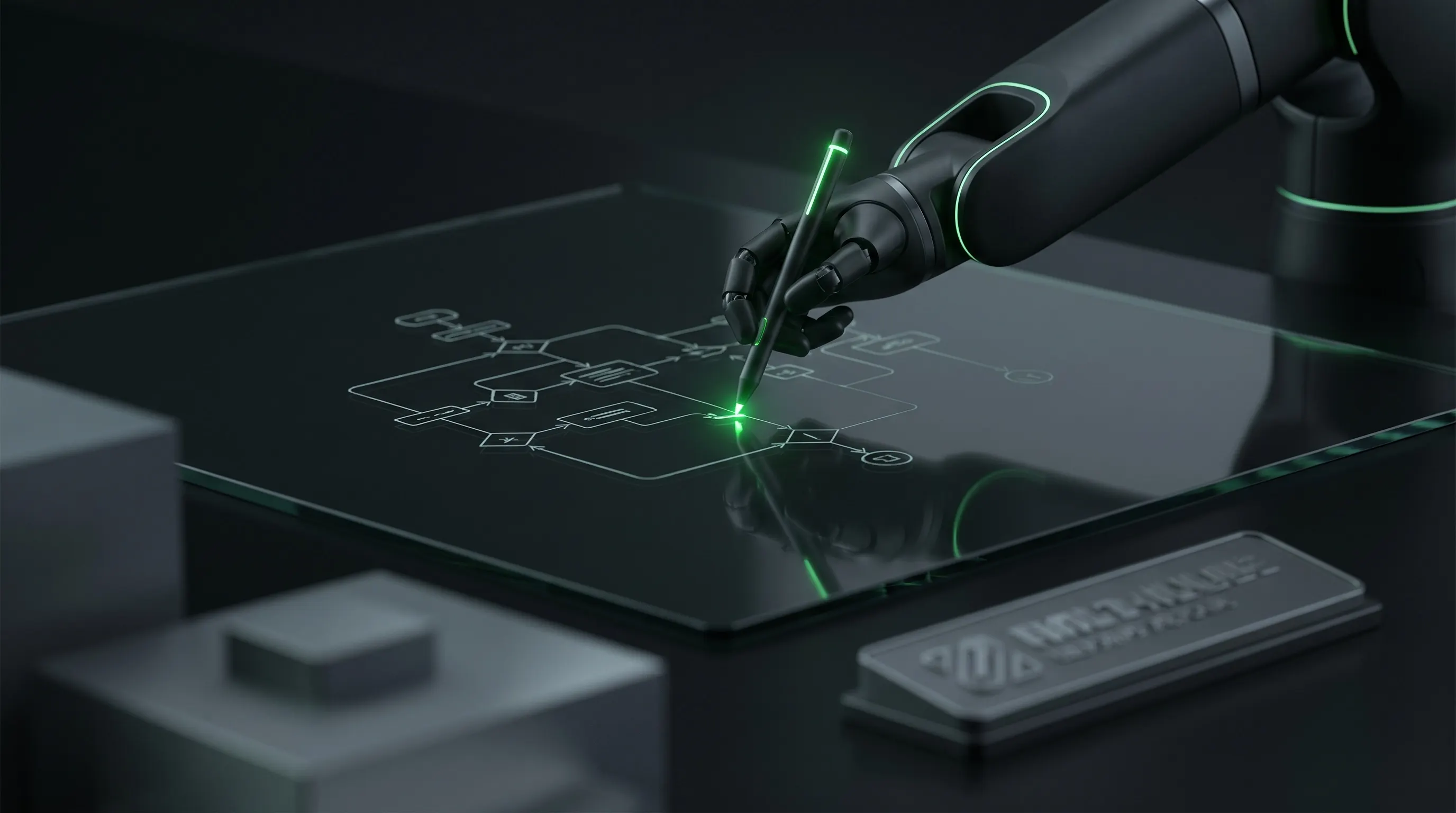
Digital transformation rhetoric has been on boardroom agendas for years; even so, in many organizations a significant part of daily operations still runs by hand. Data is copied from spreadsheets into systems, invoices are checked one by one, the same emails are rewritten every day. RoboticAI, based at ITU ARI Teknokent within Taiga Dijital, is an operations unit built for this gap: an automation infrastructure that hands repetitive work to machines and moves human effort to the creative and strategic layer. The framework drawn by Selman Yılmaz as founder and systems architect rests on a clear principle: every repetitive task is a candidate for automation.
Problem
The problem is not technological but structural. Organizations buy software, but the systems don’t talk to each other; people fill the gap in between. Skilled employees spend a serious share of their working hours filling out forms, carrying data between systems, and compiling reports. This is not just lost productivity; it means mental energy flowing into routine — the systematic erosion of creativity and decision quality. And because manual transaction volume grows with the company, scaling means new hires and new error risk every time. Processes run by human hand produce inconsistent output, traceability weakens, and in busy periods the operation clogs.
Solution
RoboticAI treats this cycle as an engineering problem. The unit first analyzes and maps the process, identifies the tasks that can be automated, then designs RPA-based robots and workflow automations. The differentiating layer is one step further: processes are enriched with AI. Natural language processing makes sense of email and document traffic, computer vision processes visual data, and ML models handle categorization and predictive routing. The result is an operations line that doesn’t just get faster — it gets smarter. The system runs 24/7 without interruption, cuts bulk data operations to minutes with parallel processing, and scales without additional resources when volume grows.
System
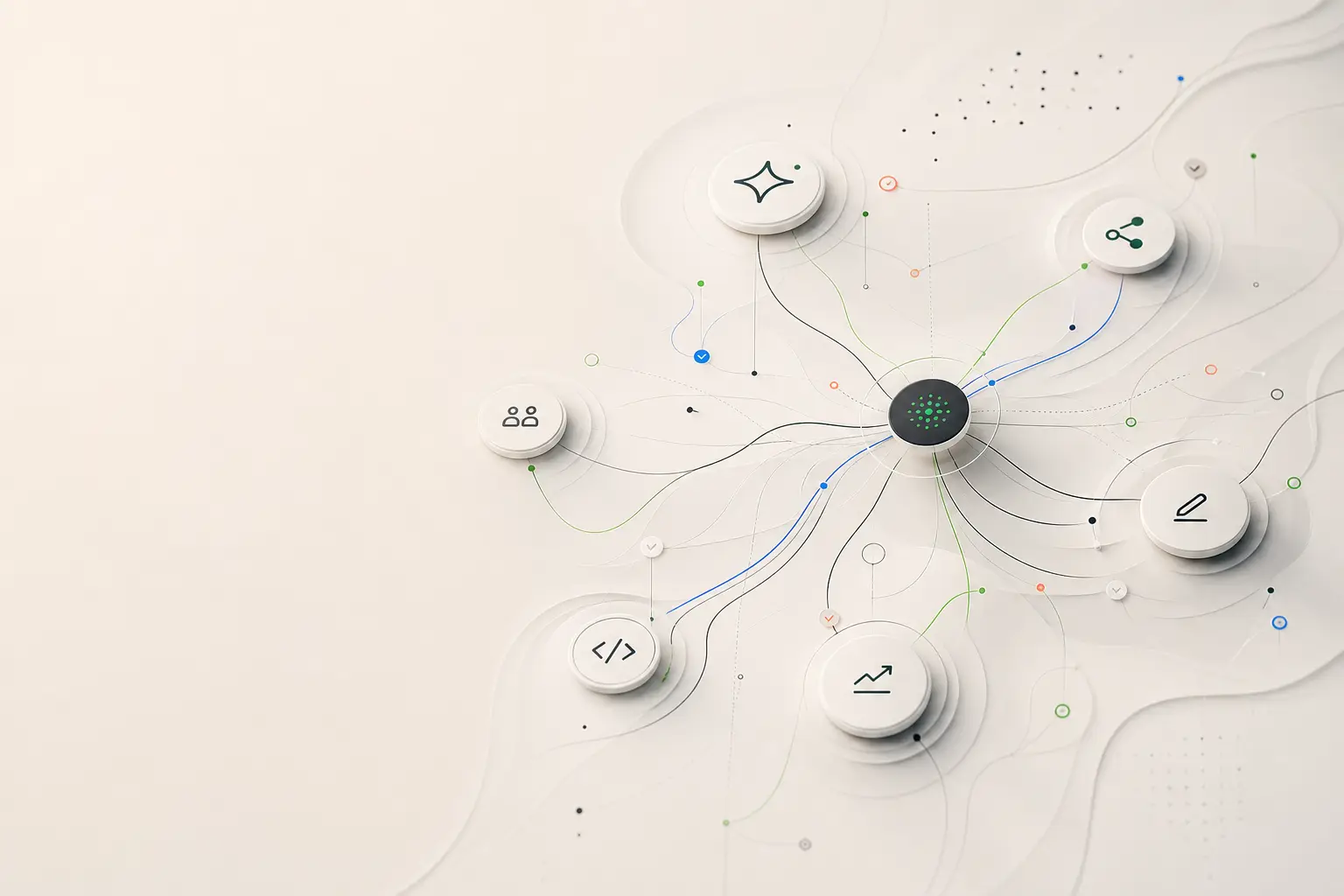
The unit’s strength comes from its depth of integration. Automation lines can be built across a wide range, from ERP systems like SAP and Oracle to CRM platforms like Salesforce and HubSpot, from Shopify to marketplaces like Trendyol and Amazon. The use cases run in parallel: product listing enrichment and stock synchronization in e-commerce, invoice processing and reconciliation in finance, CV screening and onboarding in HR, ticket categorization and SLA tracking in customer service. RoboticAI also serves as the connective tissue of the Taiga ecosystem:
- Automated product visual enrichment with Lunaar Vision, compliance checks with Evaste, fleet data processing with Spectra, content distribution automation with LinkParty.
A three-layer business model carries this infrastructure: project-based custom solutions, a volume-based Automation-as-a-Service subscription, and digital transformation consulting.
People exist to create, not to repeat. RoboticAI’s proposition fits in one sentence: let machines work, let people create.