One of fashion e-commerce’s largest cost items never appears in the storefront: returns. In the sector, one in every three or four products comes back; every return means logistics cost, stock uncertainty, and a customer’s lost trust. Lunaar Vision — Istanbul-based, founded in 2020 under the Taiga Teknoloji umbrella — treats this equation as an engineering problem, not a marketing one. The company, positioned by Selman Yılmaz as founder and product architect, developed a product family that turns the static product image into an interactive experience.
Problem
Online shopping’s fundamental deficit is the absence of physical contact. Customers cannot see the product on themselves, cannot judge its fit, and often have to decide from a single low-quality photo. The result is predictable: return rates in fashion e-commerce reach the 30–40 percent band, with size uncertainty standing out as the leading cause. For marketplaces the picture is even more structural; a significant share of millions of listings sits live with inadequate visual content, and every weak listing produces a silent loss in the conversion funnel. This is not a problem individual sellers can solve; it is an infrastructure problem at platform scale.
Solution
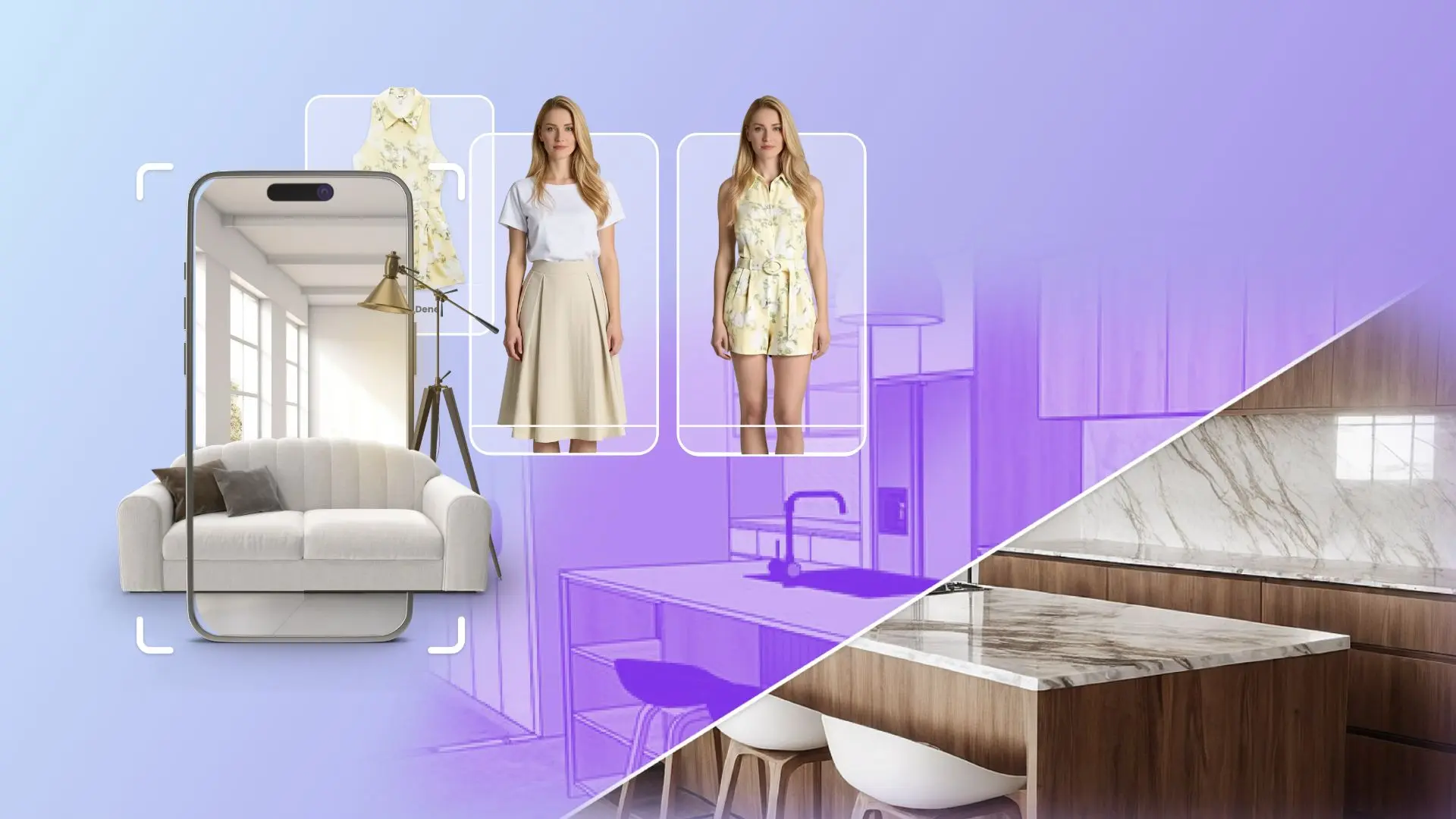
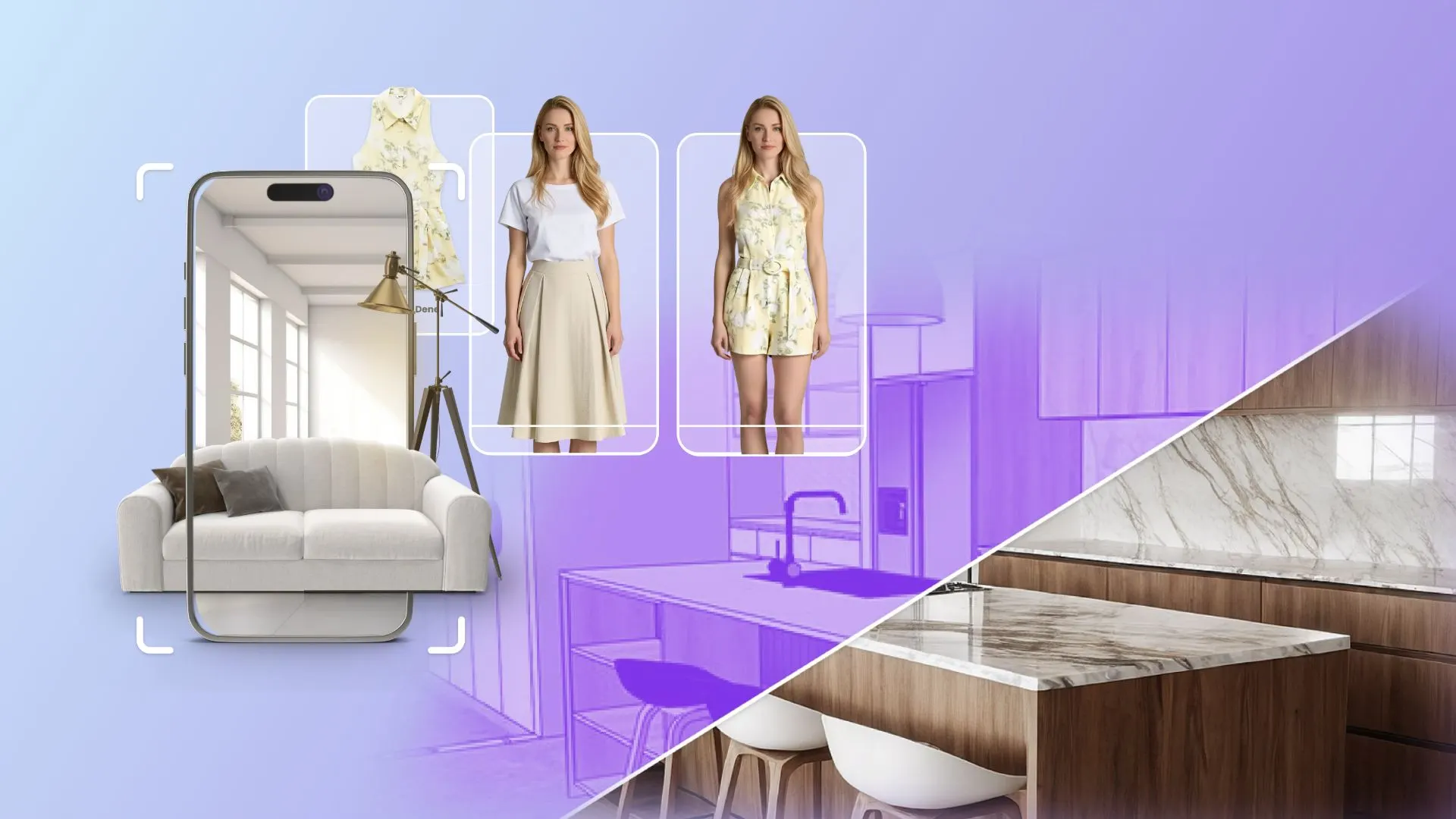
Lunaar Vision’s answer is a single platform that closes the experience gap with AI. Starting from a single product photo, the system generates 3D models that rotate through 360 degrees, estimates the user’s measurements to recommend the right size, and enables real-time try-on over a live camera in categories from eyewear to jewelry. The infrastructure runs in the cloud; results are produced in seconds, and API integration plus machine-to-machine (M2M) workflows connect directly into marketplaces’ existing systems. The target is clear: pulling return rates below 5 percent.
System
The portfolio consists of six products, each mapping to a link in e-commerce’s visual chain. Studio AI makes product visuals sale-ready without a photo shoot; Render AI turns designers’ sketches into photorealistic product photos in seconds. Image to Model converts 2D visuals into interactive 3D models, while Model to AR carries those models into augmented reality applications. Size AI goes to the root cause of returns with size prediction; Virtual Try-On provides real-time try-on in the optical and jewelry categories.
The market the company is positioned in is not small:
- The global virtual try-on market reached USD 9.17 billion in 2023, with 26.4 percent compound annual growth expected through 2030. Brands such as Nike, Adidas, and Zara already use the technology actively.
In this global competition, Lunaar Vision faces players like Veesual, Reactive Reality, and Google Virtual Try-On with a solution localized for the Turkish market and M2M automation focused on marketplace integrations.
The essence of the equation fits in one sentence: a single photo is enough — AI takes care of the rest. Lunaar Vision turns e-commerce’s invisible cost into a visible engineering problem, and solves it.